Tet Holiday in Vietnam
Use our holiday API to get the exact date of Tet Holiday in Vietnam in every year.
Understanding the Tet Holiday in Vietnam
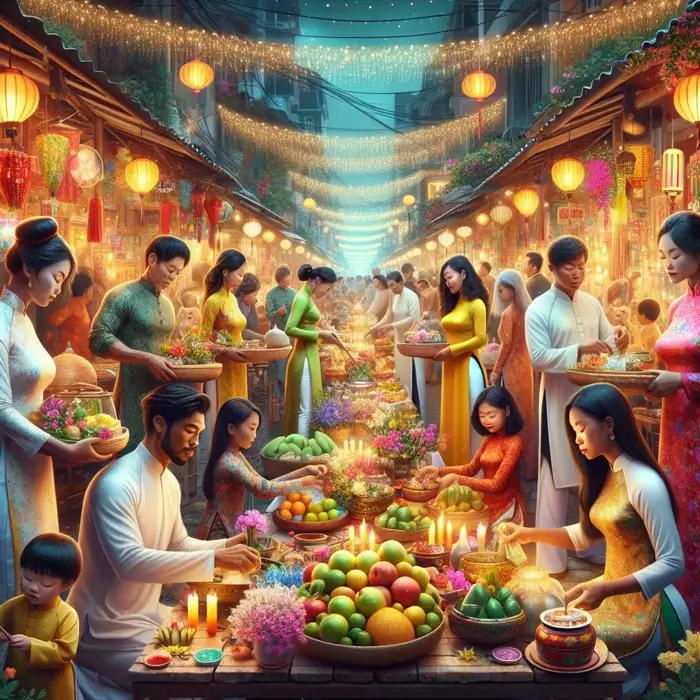
Tet, which Vietnamese people call their Lunar New Year festival, represents Vietnam's most important holiday which brings festive cultural heritage to Vietnamese families and their communities. The holiday marks the beginning of springtime while people use it as a time to reflect on their past year and embrace the new year which starts with the lunar calendar.
The Meaning of Tet Holiday
Tet derives from the words "Tet Nguyen Dan" which translate to "Feast of the First Morning of the First Day." The holiday shares similarities with East Asian Lunar New Year festivals but it contains distinct Vietnamese cultural elements that make it special. During Tet Vietnamese people honor their ancestors who have passed away while they spend time with their relatives to achieve prosperity and health for the upcoming year.
When and How Tet is Celebrated
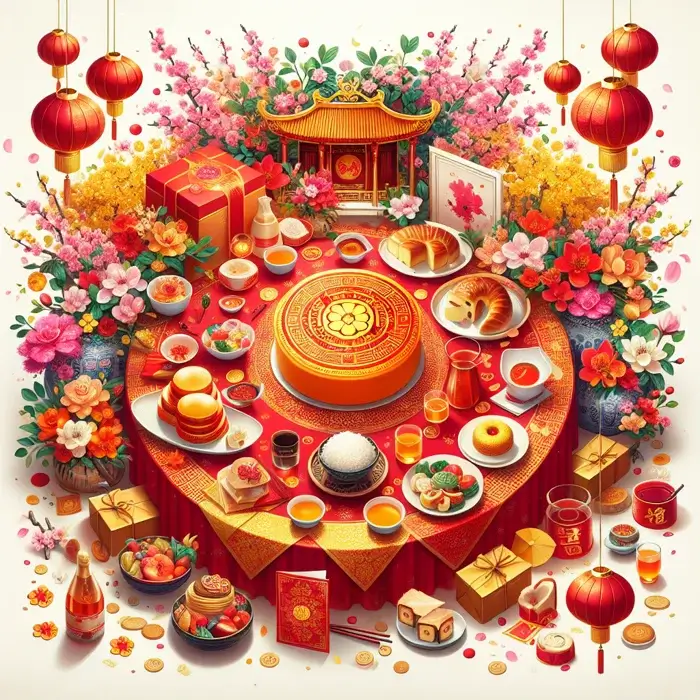
Tet usually occurs between late January and early February because its date depends on the lunar calendar. Families start their Tet preparations three weeks before the holiday by cleaning their homes and decorating their space and making special foods and buying gifts. The actual celebration lasts multiple days which include:
- New Year's Eve: People gather with family, make offerings to the ancestors, and enjoy a feast together. The New Year celebration begins with fireworks and festive activities.
- The First Day: People spend this day with their close relations who they visit to show respect. People wear fresh garments to show they have begun a new beginning.
- Subsequent Days: Friends, extended family, and neighbors visit one another to extend New Year's wishes.
Tet celebrations involve various activities and customs that showcase Vietnamese cultural heritage.
- Kumquat Trees and Peach Blossoms The two plants serve as popular Tet decorations which people believe bring good fortune and prosperous life.
- Banh Chung and Banh Tet Traditional rice cakes consist of glutinous rice and mung beans and meat which people wrap inside banana leaves.
- Lion Dances and Parades The street and temple performances show vibrant energy which serves to drive away evil spirits.
- Giving Red Envelopes (Li Xi) People follow the custom of giving red envelopes which contain money to people who are children and elderly people as a blessing for their luck and future success.
The national holiday of Tet causes Vietnam to experience complete shutdown because it is a public holiday. Banks and schools and government offices remain closed during this period. Museums and tourist attractions may also be closed or operate on limited hours so it is advisable for visitors to check in advance. The urban environment becomes quieter because businesses close for multiple days while employees return to their hometowns to celebrate the holiday.
The History of Tet Holiday
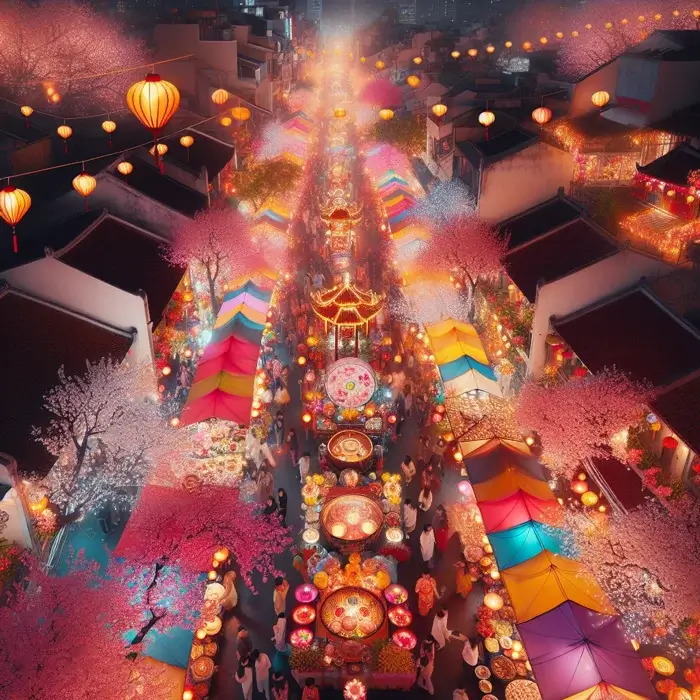
Tet originated from ancient agricultural rituals and ancestor worship practices that date back to 3000 years ago. The traditional practices of Tet included showing gratitude for the current year's harvest while requesting prosperous agricultural seasons for the upcoming year. The celebration evolved through time to include Chinese Lunar New Year elements which Chinese historical influences brought to the Vietnamese tradition.
The Vietnamese national holiday of Tet exists because it holds great cultural value and brings people in communities together. The holiday functions as a historical Vietnamese tradition that Vietnamese people use to demonstrate their enduring national identity while preserving their traditional customs through contemporary Vietnamese practices.
Conclusion
The Tet Holiday in Vietnam is more than just the celebration of a New Year; it is a vibrant tapestry of rituals, family gatherings, and cultural spectacles that call for reflection, gratitude, and the warmth of kinship. The Tet holiday period in Vietnam provides visitors a special experience that showcases the enduring customs and fundamental beliefs which define Vietnam as an extraordinary and welcoming destination.