Heritage Day in South Africa
Use our holiday API to get the exact date of Heritage Day in South Africa in every year.
Overview of Heritage Day in South Africa
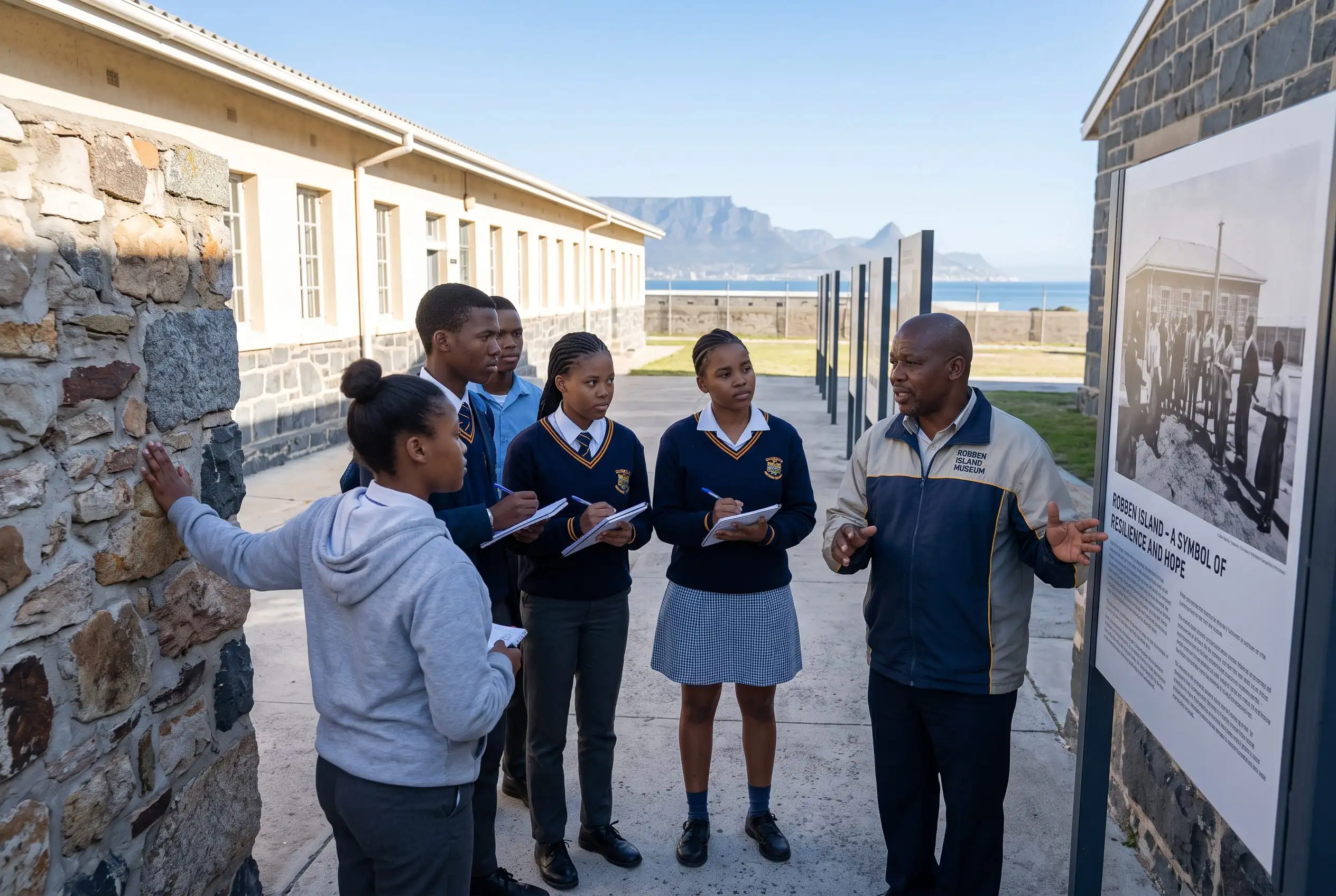
Heritage Day in South Africa is a national public holiday dedicated to celebrating the country’s diverse cultures, traditions, and shared identity. Observed every year on 24 September, it encourages South Africans to reflect on their roots, honour their ancestors, and recognize the many linguistic, ethnic, and cultural communities that make up the nation.
Since 1994, Heritage Day has played a vital role in building a unified South African identity—often described as the “Rainbow Nation” by highlighting both what makes communities distinct and what brings them together.
When Is Heritage Day Celebrated?
- Date: 24 September every year
- Status: Official public holiday throughout South Africa
- If it falls on a Sunday: In terms of South African public holiday law, the following Monday is typically observed as a public holiday.
Because it is a fixed-date holiday, Heritage Day does not move to create a long weekend, except when the statutory rule (Sunday observance shift) applies. Many South Africans, however, naturally turn it into a long-weekend break if it falls close to a Saturday or Monday.
Meaning and Significance of Heritage Day
Heritage Day is about more than simply looking back at traditions; it’s a day to:
- Celebrate cultural diversity: South Africa has 11 official languages and a wide range of ethnic communities (including Zulu, Xhosa, Sotho, Tswana, Venda, Afrikaans, English, Indian, Coloured, and others). Heritage Day highlights this richness.
- Promote social cohesion: The day encourages people from different backgrounds to share their heritage with one another, deepening mutual respect and understanding.
- Reclaim and broaden “heritage”: From language and music to food, dress, architecture, spiritual practices, and historical sites, the holiday underlines that heritage is both tangible and intangible.
- Acknowledge painful histories: Heritage Day also creates space to reflect on the injustices of colonialism and apartheid, while recognizing the resilience of communities who preserved their cultures under oppression.
- Build a shared future: By recognizing both differences and common values, Heritage Day aims to support a shared, democratic South African identity grounded in the Constitution.
The Roots of Heritage Day: From Shaka Day to a National Holiday
Shaka Day in KwaZulu-Natal
Before 1994, 24 September was celebrated in the then KwaZulu homeland and later in the province of KwaZulu-Natal as “Shaka Day”, in honour of King Shaka Zulu, the famed Zulu king and military strategist who united many Nguni groups in the early 19th century.
On this day, Zulu communities traditionally gathered at KwaDukuza (Stanger) near King Shaka’s grave to:
- Pay homage to their ancestors
- Re-enact aspects of Zulu history and culture
- Honour King Shaka’s leadership and achievements
These commemorations included traditional song, dance, praise poetry, and ritual ceremonies.
Negotiations in the Democratic Transition
When South Africa’s new democratic government created a new calendar of public holidays in the mid-1990s, 24 September was initially left off the official list. This omission drew strong criticism and concern, particularly from Zulu leaders and cultural organizations, who argued that the day was important to Zulu identity and heritage.
In the negotiations that followed:
- It was agreed that 24 September would remain a public holiday.
- The scope of the day would be broadened from a primarily Zulu commemoration to a national celebration of heritage for all South Africans.
- Thus, the name was changed to Heritage Day, making it inclusive of all communities and their unique histories, cultures, and traditions.
Formal Establishment as Heritage Day
Heritage Day was officially established under South Africa’s post-apartheid public holidays framework:
- It appears in the Public Holidays Act (Act No. 36 of 1994).
- The first national observances of Heritage Day as we know it today began in the mid-1990s, following the country’s first democratic elections in 1994.
“Braai Day”: How Heritage Day Became Linked to the Braai
From the 2000s onward, Heritage Day became popularly associated with the braai—a South African barbecue deeply embedded in local social life.
The Emergence of “National Braai Day”
A series of campaigns, led by cultural figures and civic groups, promoted the idea of “National Braai Day” to:
- Create a shared national ritual across communities
- Use the braai as a common, relaxed social practice that cuts across language, race, and religion
- Encourage people to gather with family and friends while reflecting on what it means to be South African
Notably, public figures—including some Nobel laureates—endorsed the movement, arguing that the braai could serve as a unifying symbol, similar to how certain foods or customs are associated with other national days around the world.
Heritage Day vs. Braai Day
While many South Africans casually refer to 24 September as “Braai Day”, it is important to remember that:
- The official name remains “Heritage Day.”
- Government messaging and educational campaigns focus on heritage, history, diversity, and nation-building, not only on food or leisure.
- Schools, cultural institutions, and civil society organizations often emphasize the deeper cultural and historical meanings behind the day.
In practice, the public observance now often blends both elements: people dress in traditional clothing, attend cultural events or museum exhibitions, and then gather for a braai with family and friends.
How Heritage Day Is Celebrated
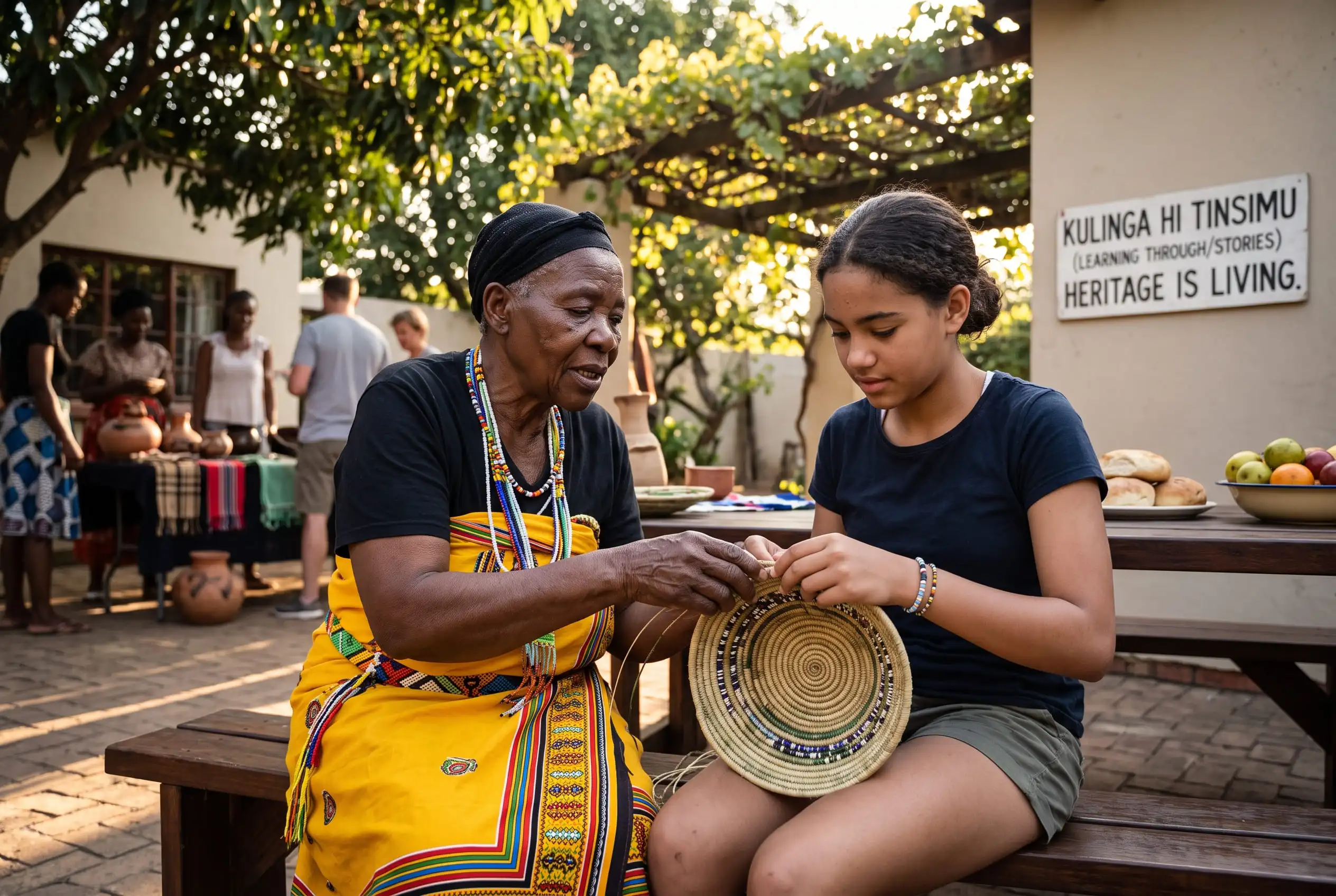
Heritage Day celebrations vary widely between provinces, cities, and communities, but some common themes recur across the country.
Cultural Dress and Traditional Attire
Many South Africans use Heritage Day as an opportunity to wear:
- Traditional clothing associated with their cultural group (e.g., Zulu beadwork, Xhosa umbhaco, Sotho blankets, Tsonga and Venda attire, Indian saris and kurtas, etc.).
- Hybrid or modern styles that blend traditional elements with contemporary fashion.
- Beadwork, headwraps, and accessories that symbolize identity, marital status, or community affiliation.
This is particularly visible in:
- Schools, where learners are encouraged to arrive in cultural dress.
- Workplaces, especially in offices that host Heritage Day events in the days leading up to the public holiday.
Food and the Braai Tradition
Food is a central part of Heritage Day activities. Typical elements include:
- Braais (barbecues): Meat such as boerewors, steak, chops, chicken, sosaties (kebabs), fish, and occasionally game meat, grilled over wood or charcoal.
- Traditional dishes such as:
- Pap (maize meal) and chakalaka
- Samp and beans
- Bunny chow
- Vetkoek
- Potjiekos (slow-cooked stew in a cast-iron pot)
- Biryani, curries, and rotis
- Melktert and koeksisters
- Shared meals across cultures, where families might intentionally cook dishes from different communities to celebrate diversity.
Many families use the holiday to gather for reunions, visit older relatives, and pass down recipes and stories that anchor their sense of belonging.
Music, Dance, and Performance
Across South Africa, Heritage Day celebrations frequently include:
- Traditional dances: Zulu dance, Xhosa dance, Tswana, Sotho, Pedi, Tsonga, Venda and Ndebele dances, and others.
- Choirs and choral music, often in churches, schools, and community halls.
- Modern genres with local flavour, such as:
- Kwaito
- House and amapiano
- Gqom
- Afrikaans rock and pop
- Jazz and Afro-soul
- Cultural festivals and concerts, some organized by municipalities or arts councils, featuring live performances, storytelling, and poetry.
Often, these performances serve a dual purpose: entertainment and education, teaching younger generations about their cultural forms.
Heritage Sites, Museums, and Monuments
Many people use Heritage Day to explore:
- National heritage sites and monuments, such as:
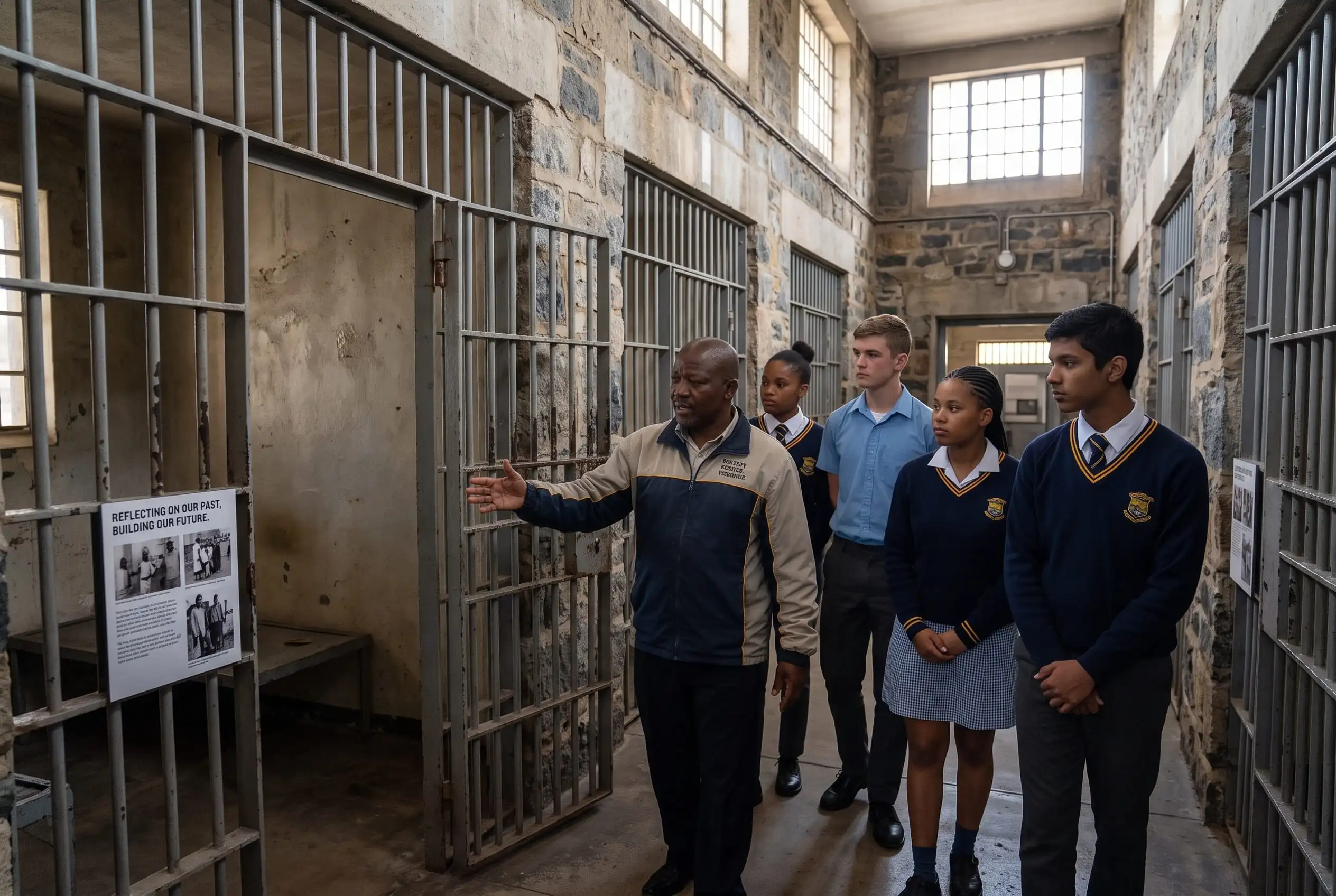
- Robben Island
- Constitution Hill
- Freedom Park
- Union Buildings gardens
- Various battlefields, mission stations, and historic town centres
- Museums and galleries, which often host:
- Special exhibitions focusing on heritage, identity, or local history
- Public talks, tours, and children’s programmes
- Film screenings or panel discussions
These visits encourage reflection on the broader historical forces that shaped South Africa, including colonization, slavery, apartheid, resistance movements, and the transition to democracy.
School and Community Activities
In the days leading up to 24 September—especially if it falls on a weekend—schools and community organizations typically hold Heritage Day programmes that include:
- Cultural dress days where learners wear traditional attire instead of school uniforms.
- Show-and-tell sessions about family histories, languages spoken at home, or clan names.
- Food fairs where learners bring dishes associated with their heritage.
- Language and poetry performances, including praise poetry (izibongo), storytelling, and readings in various South African languages.
- Displays and exhibitions of crafts, artworks, and historical artefacts.
These activities help young people build pride in their own backgrounds and appreciation for others’.
Faith-Based and Civic Events
Faith communities and civic organizations may also:
- Host interfaith services celebrating unity in diversity.
- Organize peace marches, awareness campaigns, or dialogues on social cohesion, xenophobia, racism, and nation-building.
- Coordinate volunteer projects, such as clean-ups of historic sites or community centres, or support for vulnerable groups, linking heritage to civic responsibility.
Are Businesses, Banks, Schools, and Museums Open on Heritage Day?
Heritage Day is a public holiday, which affects opening hours and operations across many sectors.
Government Offices and General Business
- Government departments and offices: Normally closed, except for essential services (police, emergency healthcare, certain municipal services).
- Corporate offices and many businesses: Often closed, particularly formal offices. Some may operate with reduced staff or skeleton crews if they choose.
Banks
- Major banks usually do not open on Heritage Day, treating it as a full public holiday.
- Some branches in malls may follow the shopping centre’s policy, but it is safest to assume banks will be closed or operate with limited services.
- ATMs and online banking remain fully functional.
Schools and Universities
- Public schools: Closed on the day itself, as it is part of the official school calendar of public holidays.
- In the week leading up to Heritage Day, many schools hold special assemblies and cultural programmes.
- Universities and colleges: Typically do not hold lectures on Heritage Day; campuses may remain physically accessible (libraries, residences, security) depending on institutional policy.
Shops, Restaurants, and Entertainment Venues
- Shopping malls and supermarkets: Most remain open, often with holiday trading hours (slightly reduced or standard weekend hours).
- Restaurants, cafes, and fast-food outlets: Generally open; many are busier than usual because families go out or gather after events.
- Tourist attractions like aquariums, zoos, and theme parks often remain open and may run Heritage Day promotions.
Museums, Galleries, and Heritage Sites
- Many museums and galleries are open on Heritage Day, and some:
- Offer free or discounted entry
- Run special heritage-themed exhibits or guided tours
- Host performances, debates, and workshops
- National heritage sites and monuments are typically open, sometimes with extended hours or official ceremonies.
If planning a visit, it is wise to check the specific institution’s website or social media for updated Heritage Day schedules.
Official Ceremonies and Government Involvement
The South African government plays a central role in shaping the themes and tone of Heritage Day each year.
National and Provincial Events
- The Department of Sport, Arts and Culture (or its current equivalent) often announces an annual theme, such as:
- Celebrating indigenous languages
- Honouring liberation heroes and heroines
- Promoting living heritage and intangible cultural practices
- A main national event is usually hosted in a different province each year, featuring:
- A keynote address by the President or a senior minister
- Cultural performances and choirs
- Participation of traditional leaders (amakhosi, kings, queens)
- Flag-raising ceremonies and national anthem performances
Provincial and municipal governments host parallel events focusing on local heritage, historical sites, or community-specific themes.
Media and Public Messaging
On and around Heritage Day, the public discourse often highlights:
- The importance of protecting indigenous languages and oral traditions.
- The need to preserve heritage sites and cultural landscapes.
- Campaigns against racism, xenophobia, and discrimination, linking social cohesion to a shared commitment to human rights.
- Calls for intergenerational dialogue, encouraging younger South Africans to learn from elders about customs, values, and historical experiences.
Types of Heritage Recognized on Heritage Day
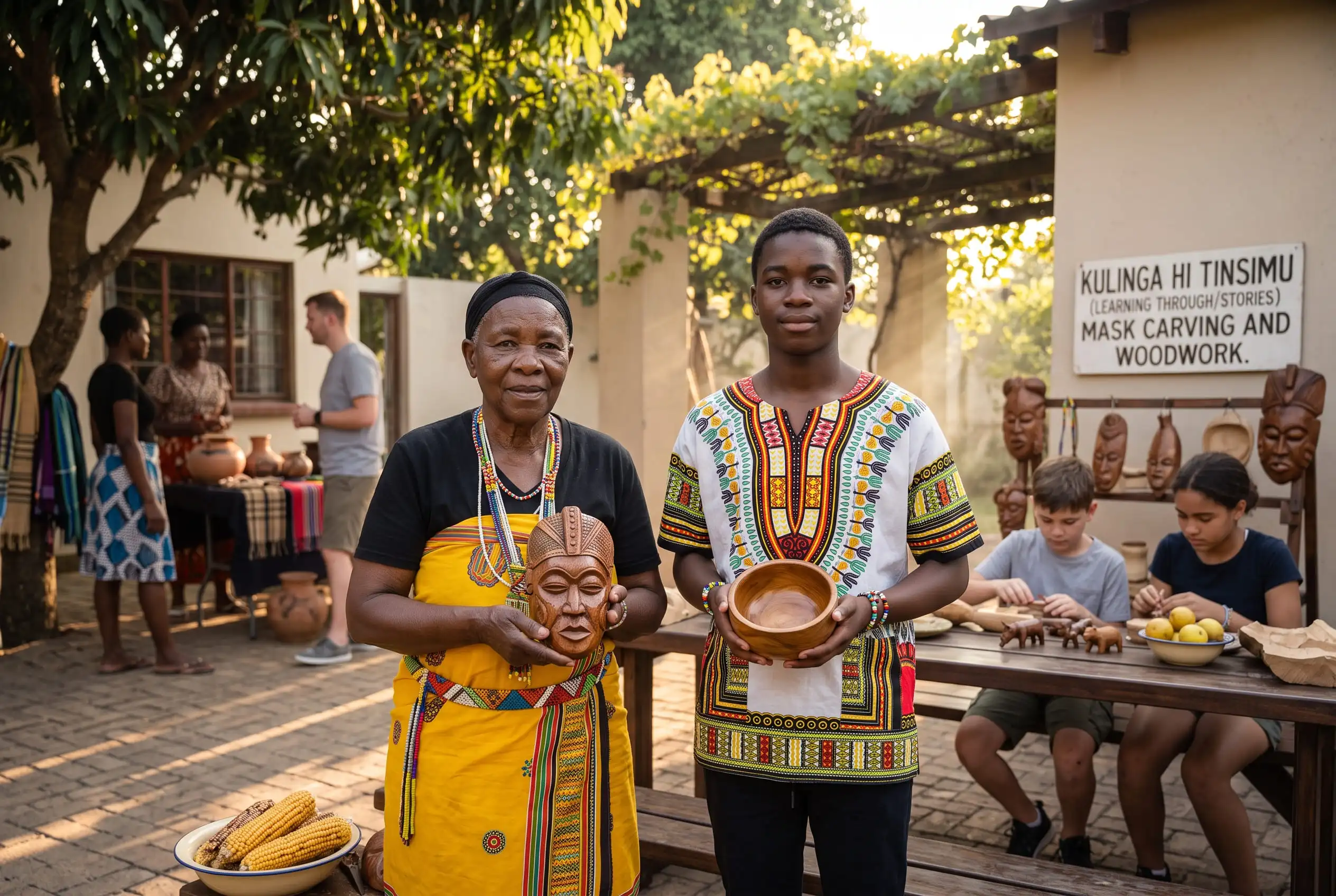
Heritage Day encourages reflection on several overlapping categories of heritage:
Cultural and Linguistic Heritage
- Languages, proverbs, idioms, and storytelling traditions
- Rituals and rites of passage (birth, initiation, marriage, funerals)
- Traditional leadership structures and customary law
- Everyday cultural practices, from greetings to hospitality customs
Historical and Political Heritage
- The anti-apartheid struggle and the liberation movements
- Sites associated with key political events, trials, protests, and negotiations
- Heroes and heroines of resistance, including lesser-known local figures
Natural and Environmental Heritage
- Landscapes, national parks, and biodiversity (some areas designated as World Heritage Sites)
- Sacred natural spaces used for spiritual or ritual purposes by different communities
- Traditional ecological knowledge and land use practices
Built and Living Heritage
- Historic buildings, townships, mission stations, and architecture
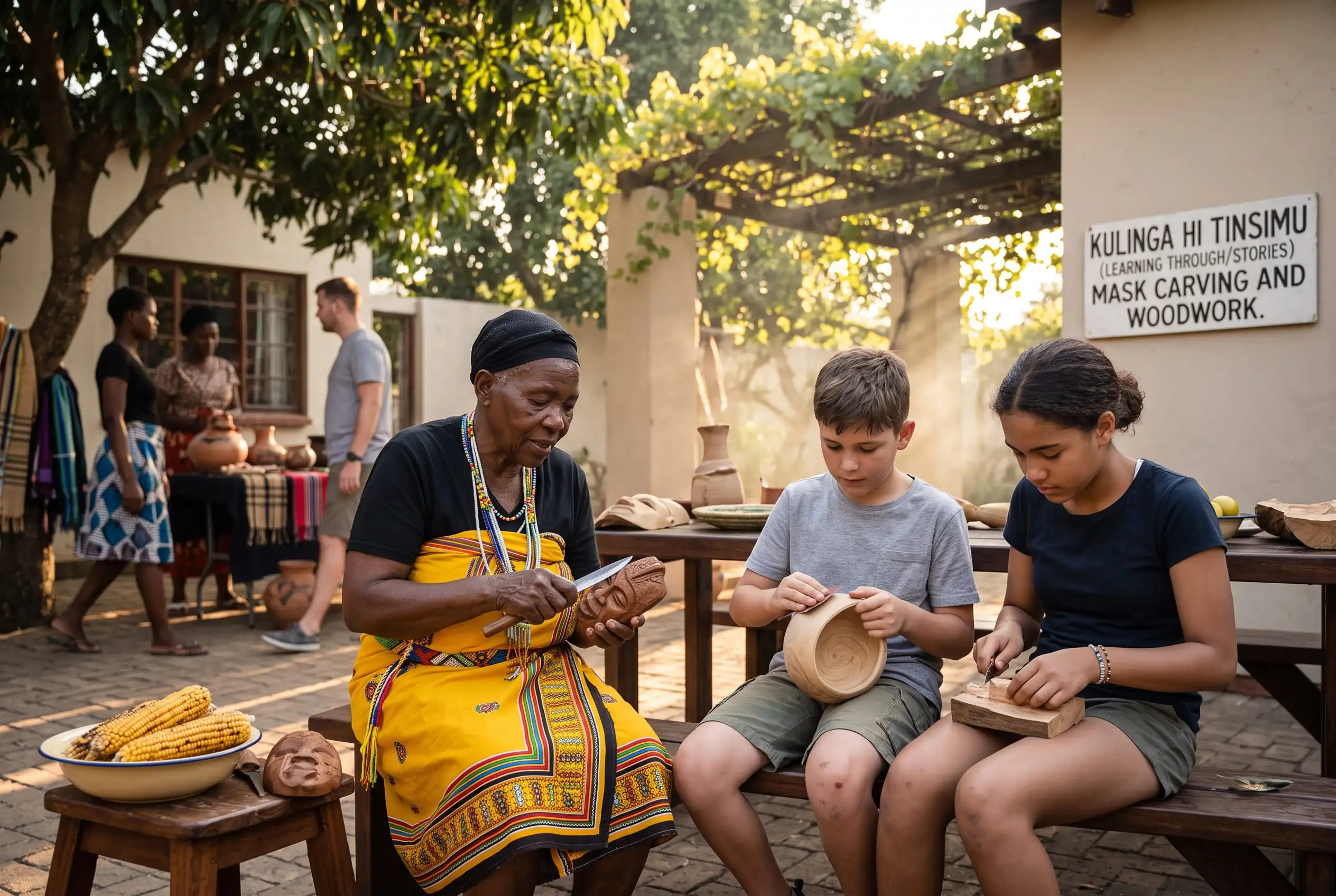
- Artistic traditions, including sculpture, beadwork, pottery, weaving, and painting
- Music, dance, theatre, and contemporary creative expressions that reinterpret older forms
By broadening the concept, Heritage Day invites South Africans to see heritage as living and evolving, rather than as something frozen in the past.
Heritage Day and Nation-Building
Heritage Day has a particular importance in South Africa’s post-apartheid context.
From Division to Inclusion
Under apartheid, many cultures were:
- Suppressed, marginalized, or stereotyped.
- Segregated spatially through forced removals and racially delineated areas.
- Used politically to divide communities.
Heritage Day—and related institutions like the South African Heritage Resources Agency (SAHRA)—aims to:
- Recognize previously neglected histories and contributions, including those of black, Coloured, Indian, and other marginalized communities.
- Give equal dignity to all languages and cultures, as enshrined in the Constitution.
- Promote inclusive narratives that integrate multiple perspectives on the past.
Ongoing Debates and Contestation
Heritage is not neutral, and Heritage Day sometimes brings underlying tensions to the surface, for example:
- Debates about the removal, relocation, or reinterpretation of statues and monuments associated with colonial or apartheid figures.
- Discussions about whose stories are prioritized in museums, textbooks, and public spaces.
- Tensions between commercialization (e.g., focusing on braai and consumerism) and critical reflection on historical injustices.
These debates themselves form part of the evolving heritage discourse, raising important questions about identity, memory, and justice in a democratic society.
Heritage Day in Context: Part of South Africa’s Public Holiday Calendar
Heritage Day is one of several South African public holidays that collectively narrate the country’s history and values, including:
- Human Rights Day (21 March) – Commemorating the Sharpeville massacre and broader human rights struggles.
- Freedom Day (27 April) – Marking the first democratic elections in 1994.
- Youth Day (16 June) – Remembering the 1976 Soweto Uprising and the role of youth in the struggle.
- Day of Reconciliation (16 December) – Aimed at promoting national unity and reconciliation after apartheid.
Together, these holidays provide structured opportunities for national reflection, with Heritage Day focusing particularly on culture, identity, and shared belonging.
Conclusion: Why Heritage Day Matters
Heritage Day in South Africa is both a celebration and an invitation:
- A celebration of the vibrant, multifaceted traditions that have survived, evolved, and flourished despite centuries of upheaval and oppression.
- An invitation to each person—whether South African by birth, descent, or choice—to embrace their own roots while respecting and learning from others.
By combining official ceremonies, community events, family gatherings, and the simple joy of a shared meal, Heritage Day helps to weave together the many threads of South Africa’s past and present into a more cohesive and inclusive national story.
On 24 September each year, South Africans are encouraged not only to enjoy the holiday, but to actively engage with their heritage, ensuring that it remains a living, dynamic resource for future generations.